The Latgale Special Economic Zone (Latgale SEZ) is the newest of Latvia’s special territories designed to support businesses, having been established only in 2017. While the combined annual turnover of companies operating within the zone initially amounted to approximately EUR 20 million, last year it exceeded EUR 500 million.
Latgale SEZ companies are breaking long-standing stereotypes about the region’s economic lagging. A high-tech cluster has emerged here, where white gloves have become an essential part of employees’ everyday workwear.
A Flexible SEZ Model Inspired by Poland
Latgale SEZ differs from other special economic zones in that it does not have a single, predefined territory. This model has been adopted from Poland. SEZ status may be granted to specific land plots or buildings anywhere in the region, provided that the total area does not exceed 5% of the territory of the Latgale Planning Region.
“This is a significant area. God willing, entrepreneurs will come and we will be able to support them,” emphasizes Aldis Adamovičs, Chairman of the Development Council of the Latgale Planning Region and Chairman of the Preiļi Municipality Council.
Latgale SEZ Plans to Include Alūksne Municipality
Amendments are currently being advanced in the Saeima to include Alūksne Municipality within the Latgale SEZ. Adamovičs explains that Alūksne has already been included in the Latgale Programme aimed at accelerating regional economic development, as well as in the Eastern Border Development Plan approved by the government earlier this year.
“It is logical that the entire border region is covered,” says Iveta Maļina-Tabūne, Head of the Administration of the Latgale Planning Region and Managing Director of the Latgale SEZ. She adds that several strong companies have been identified in the Alūksne area that could expand their operations by using SEZ incentives.
According to Maļina-Tabūne, the Polish model was adopted because, at the time of establishing the SEZ, there were no funds available to develop a large industrial park. Nevertheless, a business support system was essential, as Latgale had the weakest economic indicators in the country: the highest unemployment rate and the lowest GDP per capita.
“We had to think about how to develop industry, create new companies and jobs, and keep young people in the region,” Maļina-Tabūne explains.


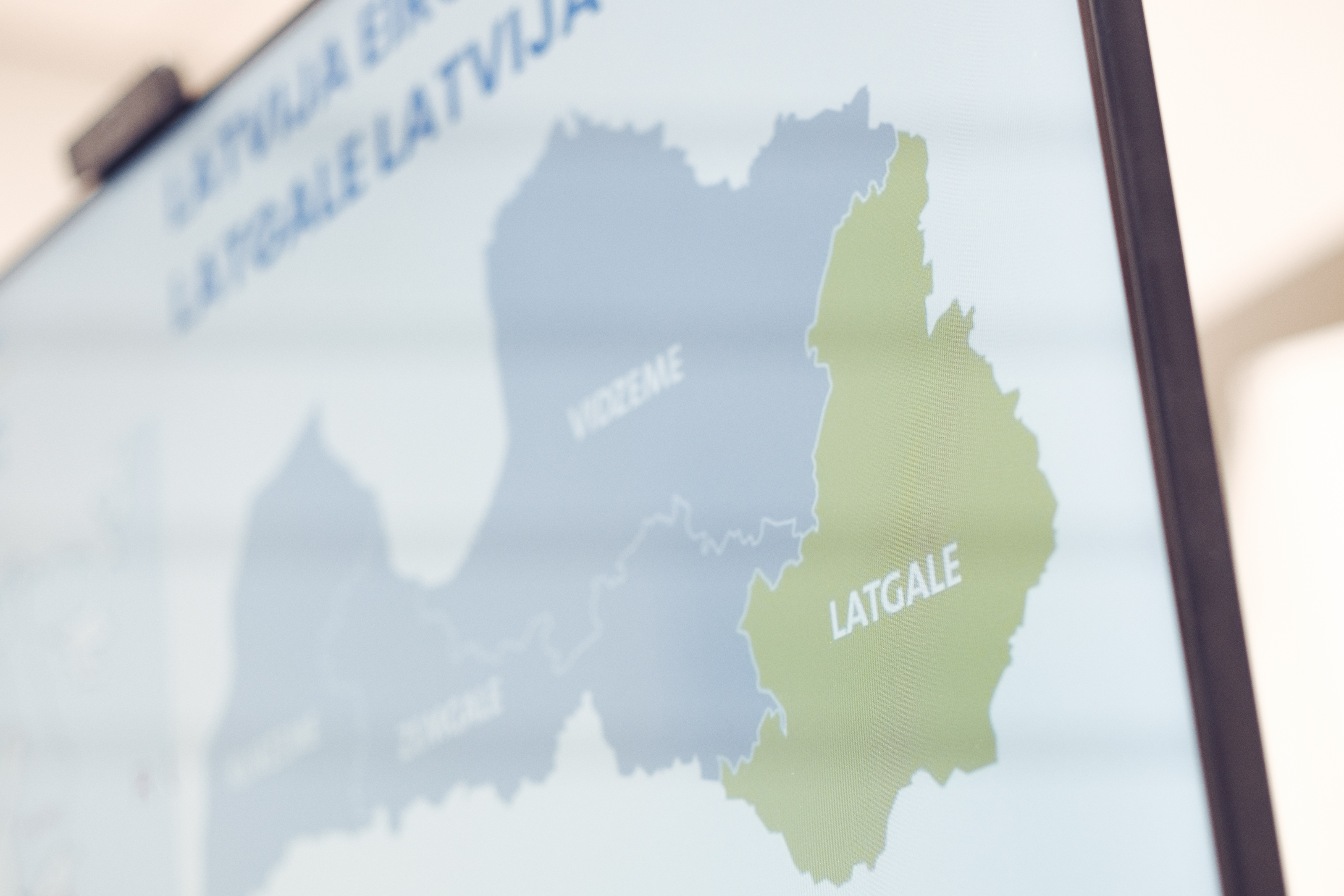
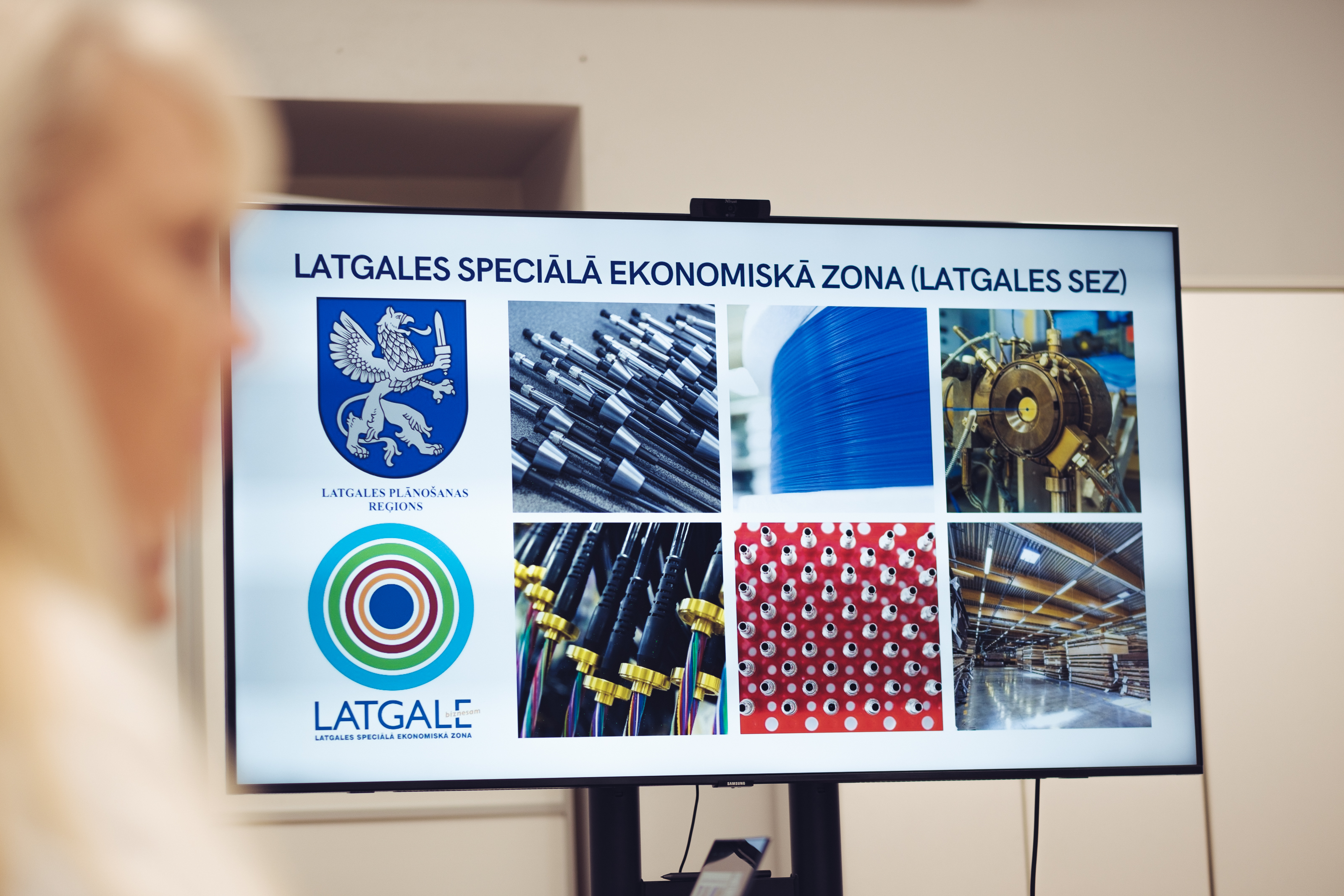
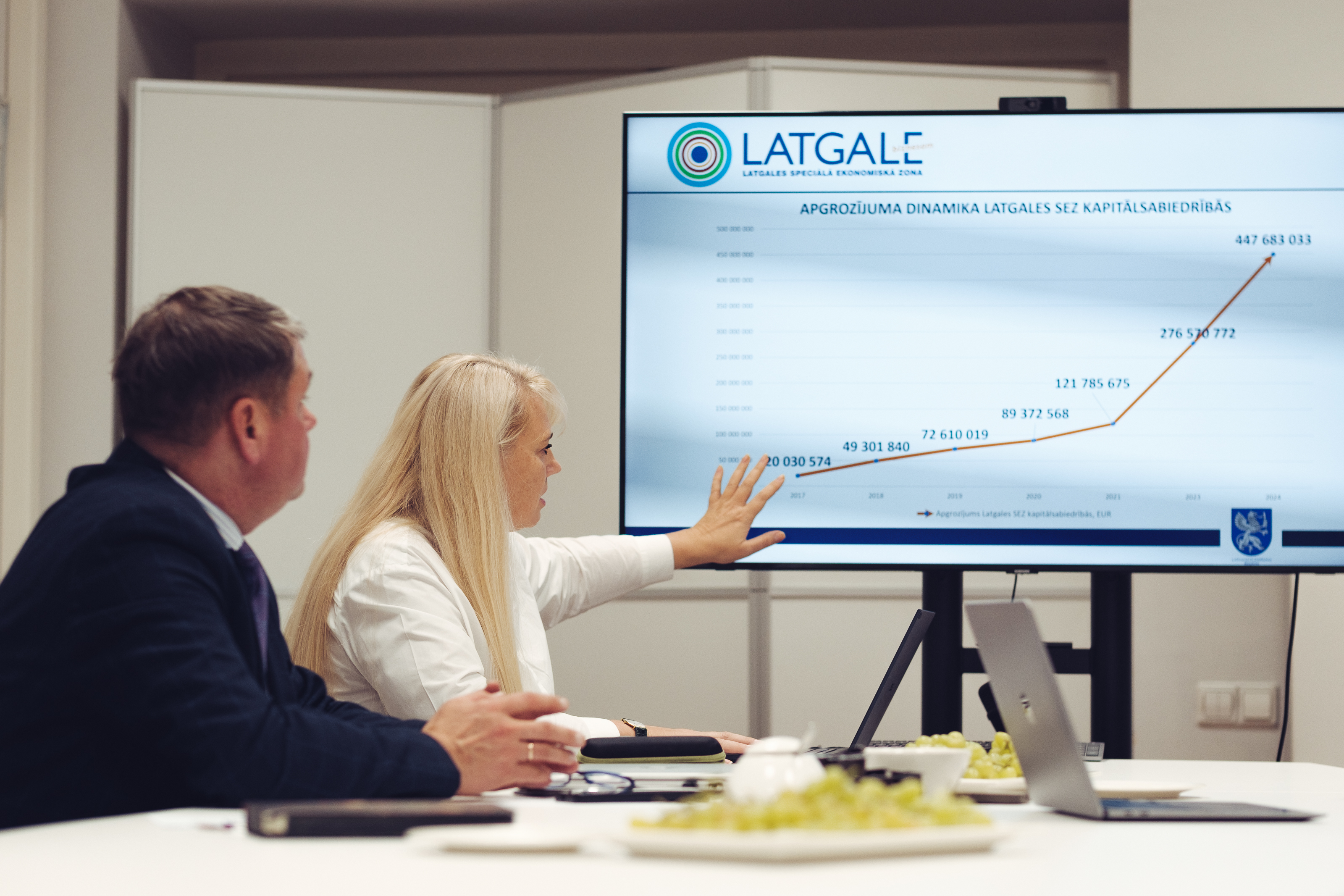
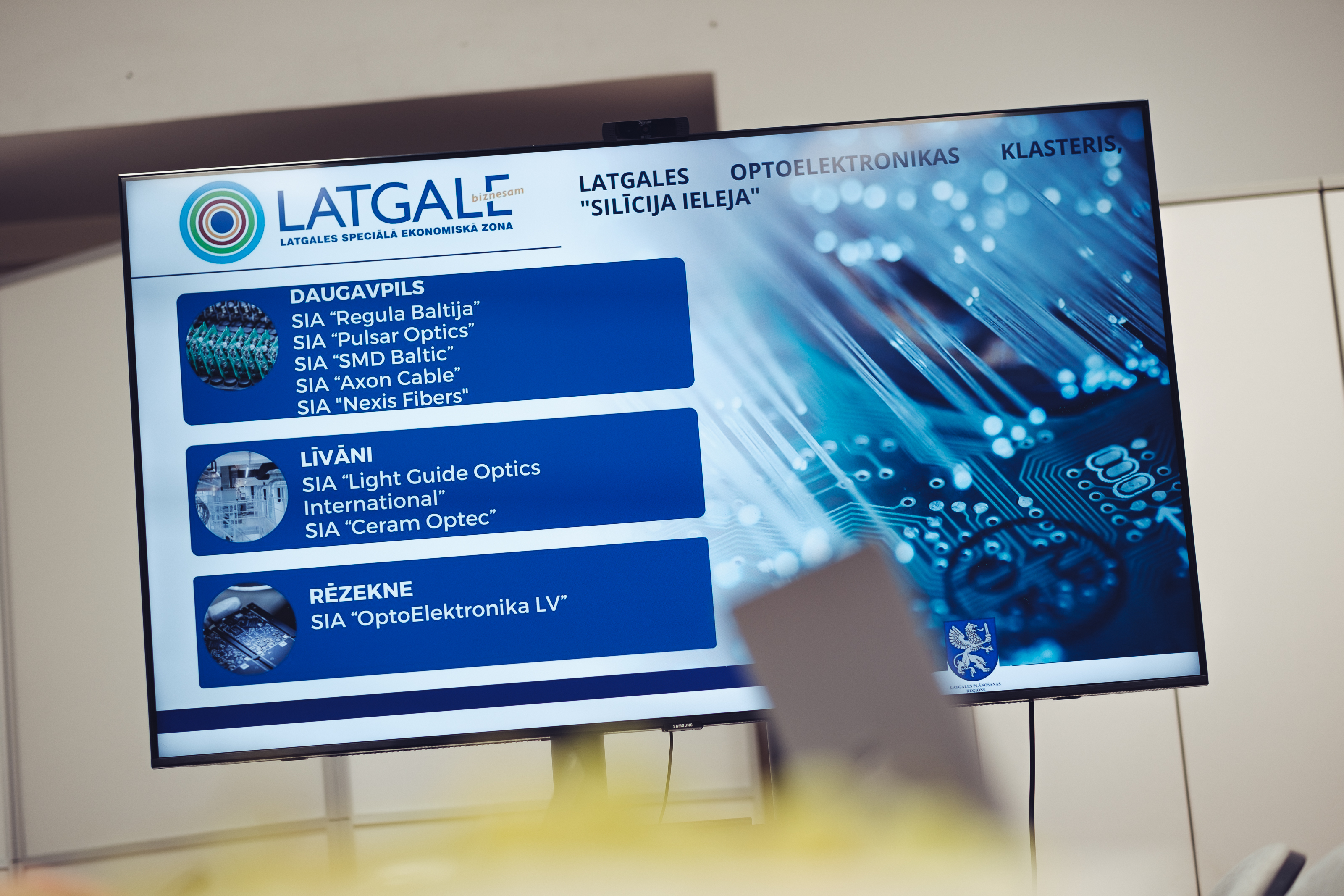
Photo: Kārlis Dambrāns/Delfi
Key Facts at a Glance
-
Latgale SEZ was established in 2017
-
The SEZ currently covers 147.48 hectares, approximately 0.01% of the Latgale Planning Region
-
38 companies have been granted SEZ status
-
Key sectors: metalworking, woodworking, textiles, optoelectronics
-
Total net turnover in 2024: EUR 451 million (excluding large companies that have not yet submitted reports)
-
Total profit in 2024: EUR 53 million (excluding large companies)
-
Employees: 2,270 (compared to 390 in 2017)
-
Average gross salary in 2024: EUR 745–3,800
Company Investments
-
Total investments using SEZ support to date: EUR 111.6 million
-
Investments in 2024: EUR 39.6 million
-
Smallest investment agreement: EUR 7,000
-
Largest investment agreement: EUR 34 million
Taxes Paid
-
Total social security contributions and personal income tax paid: EUR 67.6 million
-
Paid in 2024 alone: EUR 29 million
Expand Wherever You Choose
“Our key advantage is that companies can establish or expand production facilities or open branches anywhere in the region, regardless of location,” explains Maļina-Tabūne. “By opening a branch, companies can allocate financial flows more flexibly, expand operations, and benefit from Latgale SEZ incentives.”
SEZ Incentives
-
80% corporate income tax relief
-
Up to 100% real estate tax relief
-
Direct tax relief based on accumulated investment:
-
60% for small and micro enterprises
-
50% for medium-sized enterprises
-
40% for large enterprises
-
Optics and Electronics Lead the Way
While traditional metalworking and woodworking companies remain well represented, in recent years optics and electronics companies have taken the lead. Among them are Light Guide Optics International, named the most valuable company in Latgale in 2025, as well as optical fiber manufacturer Ceram Optec and thermal imaging device producer Pulsar Optics.
The development of high-tech companies has significantly increased GDP per capita in Latgale’s cities. The highest indicator is recorded in Līvāni, often referred to locally as the capital of optical fiber. Notably, Ceram Optec’s financial data are not included, as the company is registered in Riga.
SEZ Benefits Are Felt Most Strongly by Large Companies
One of Latvia’s most profitable and valuable companies is Light Guide Optics International. Its CEO Daumants Pfafrods calls Līvāni the optical fiber capital of Europe, as nowhere else on the continent are so many optical fiber manufacturers concentrated in one location.
The company’s fibers are used in medical laser equipment and in industrial, spectroscopic, analytical, and scientific devices. Light Guide Optics International obtained SEZ status in 2018.
“Initially, we were skeptical and relied more on EU project funding. Then we decided to try, submitted a small project to expand production capacity, and saw that it worked,” Pfafrods explains.
He notes that SEZ benefits are most tangible for companies able to invest their own capital. “If you do not invest your own money, SEZ projects do not bring tangible benefits,” he says, adding that startups require other support mechanisms.
To date, the company has completed EUR 30 million in investment projects and received EUR 13 million in tax relief. A further EUR 33 million project is currently under way, including construction of a new, modern fiber-drawing facility.
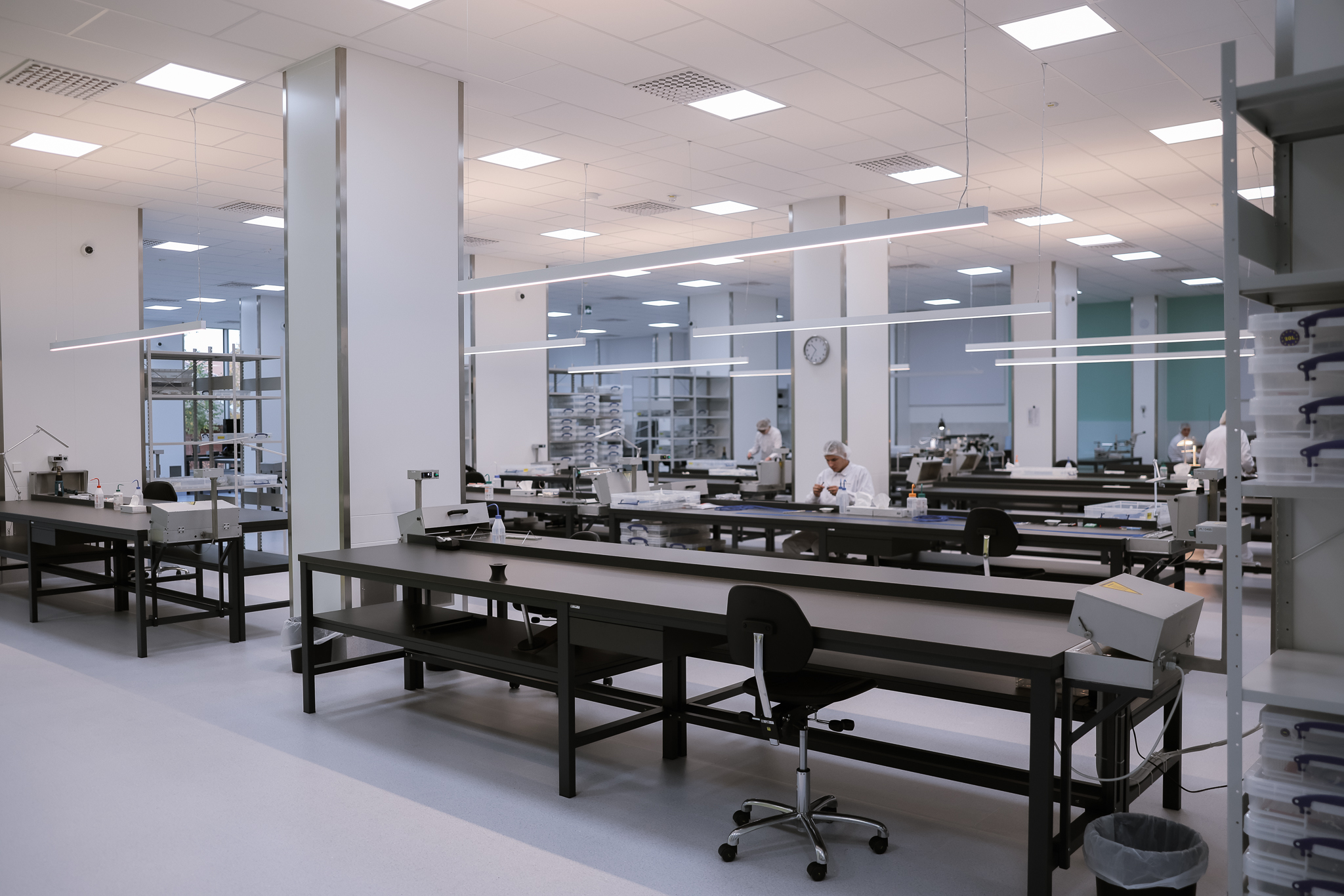
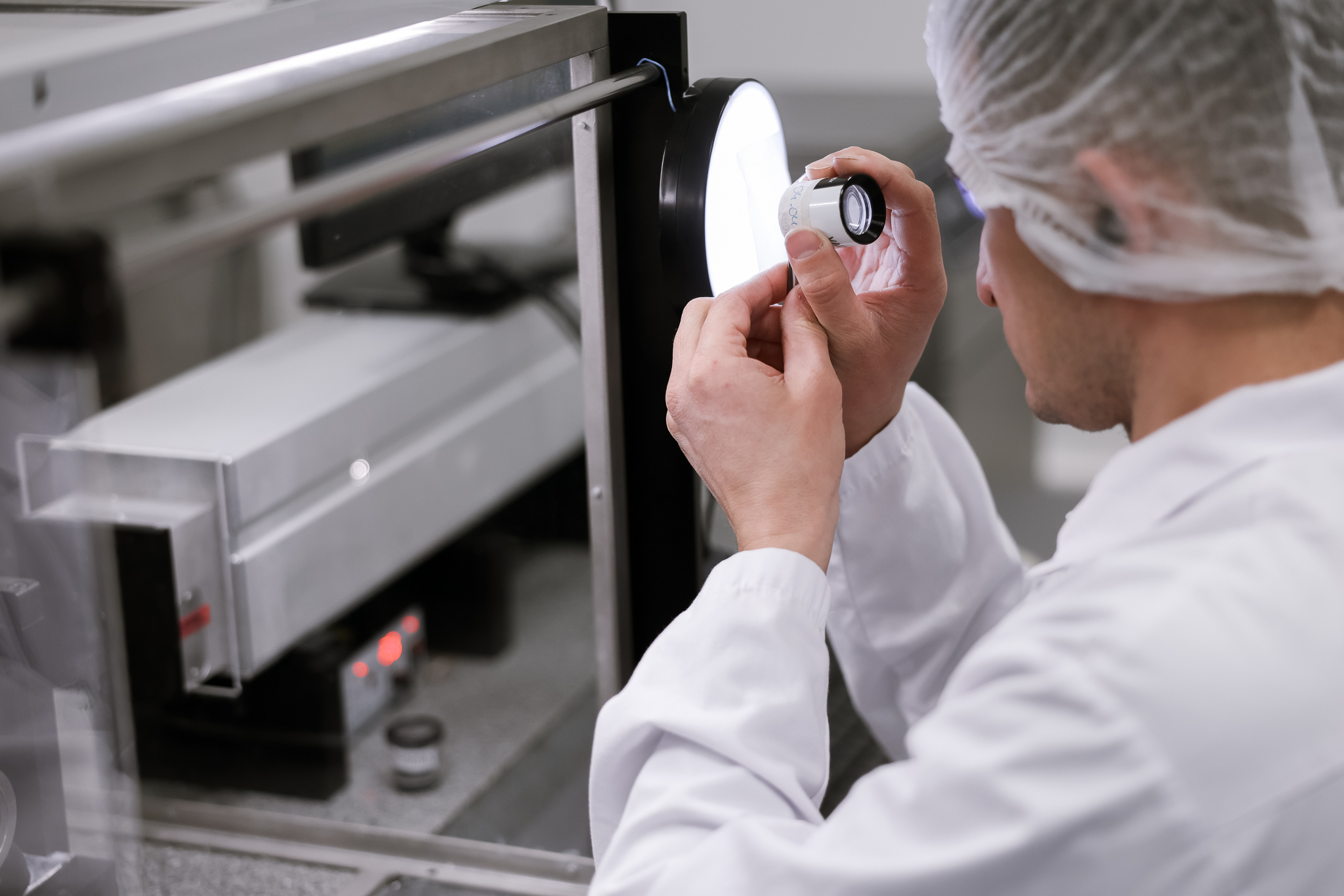
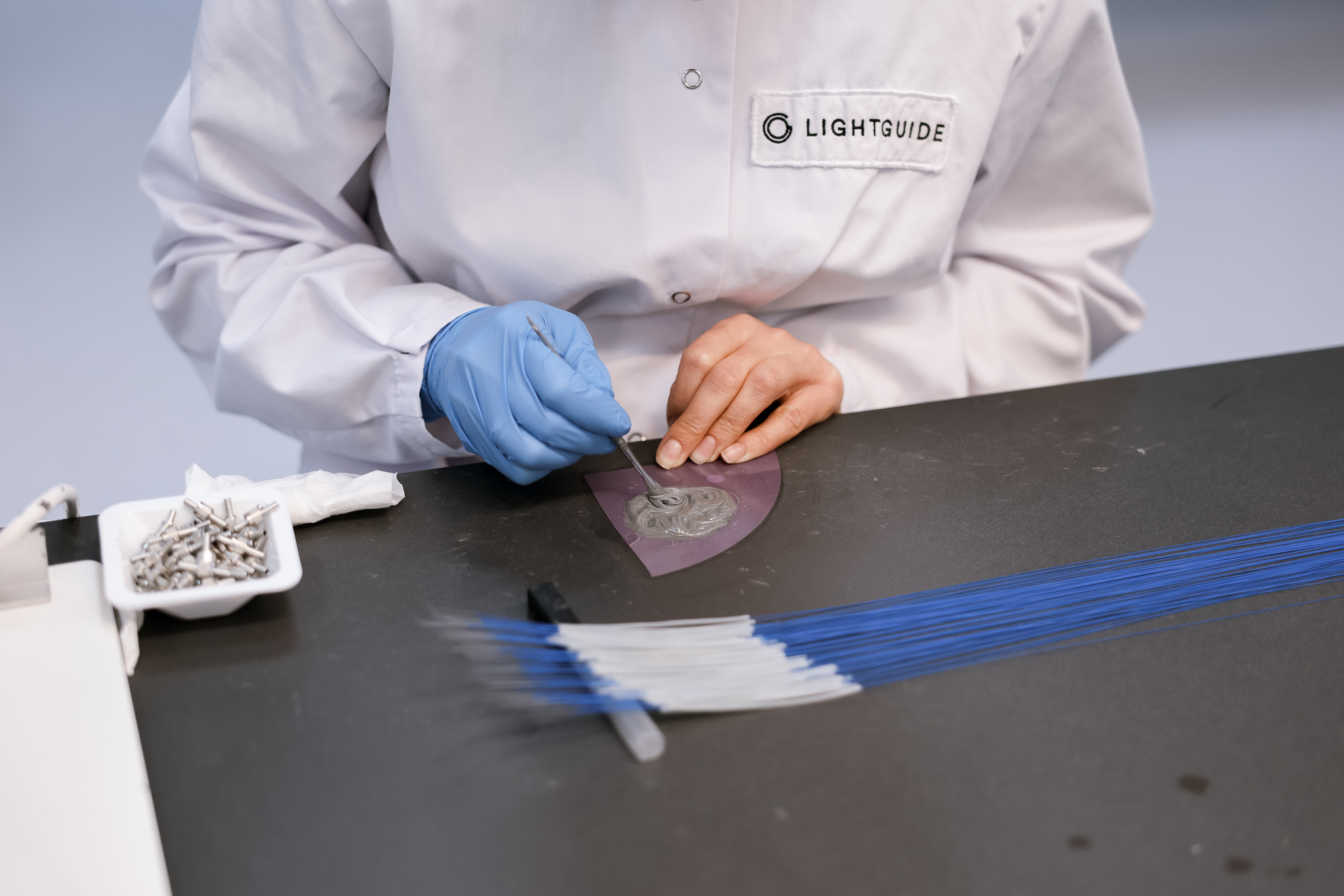
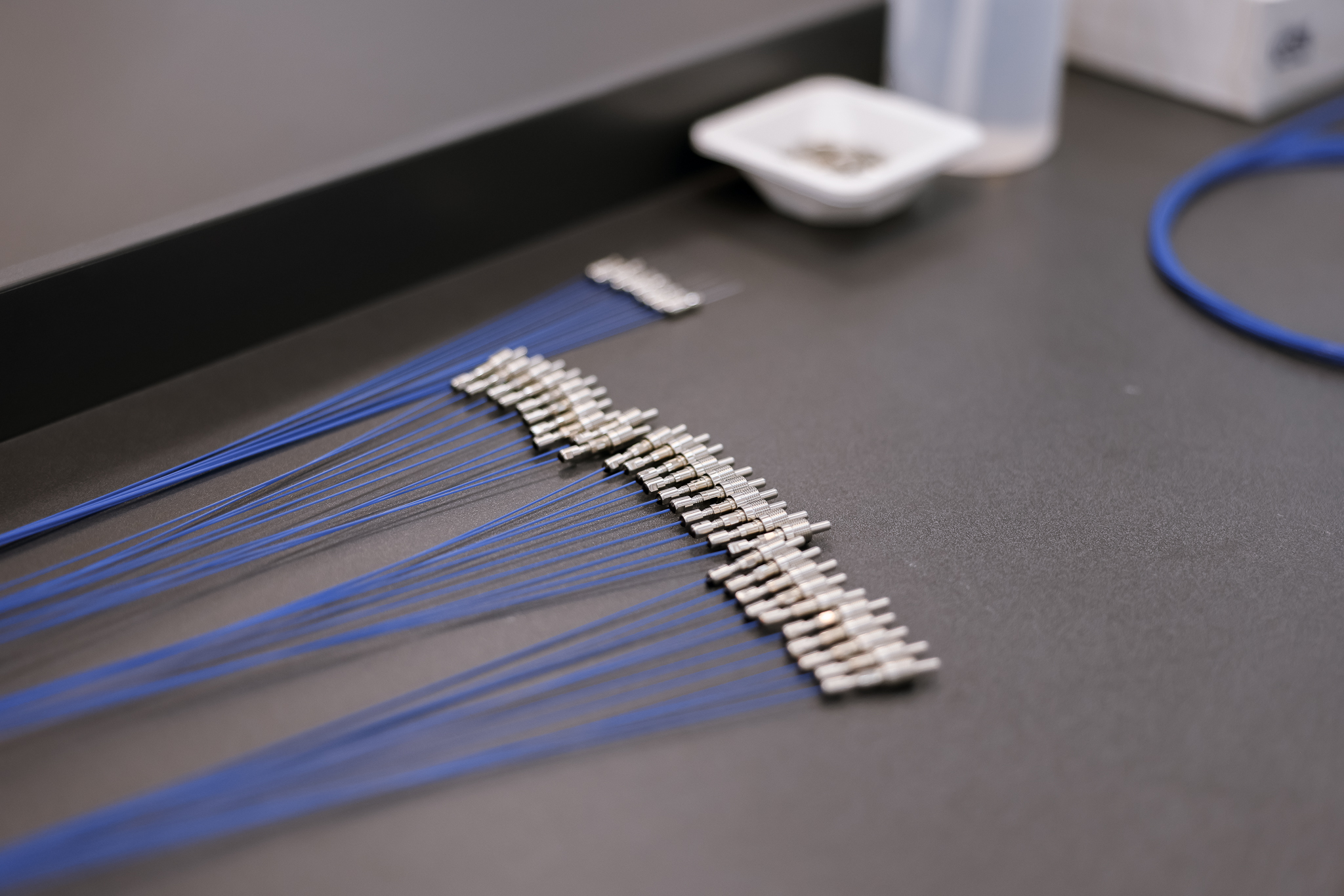
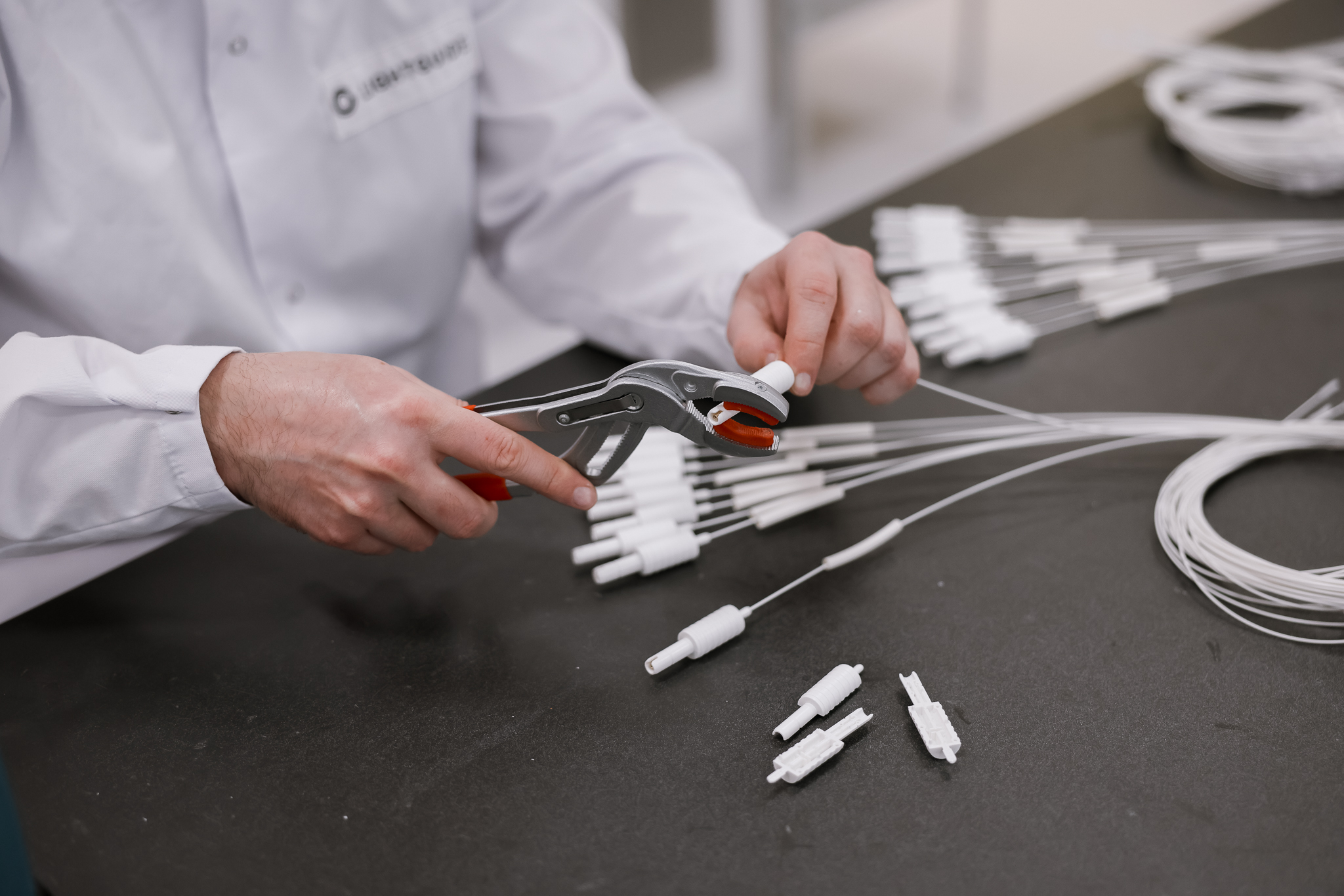

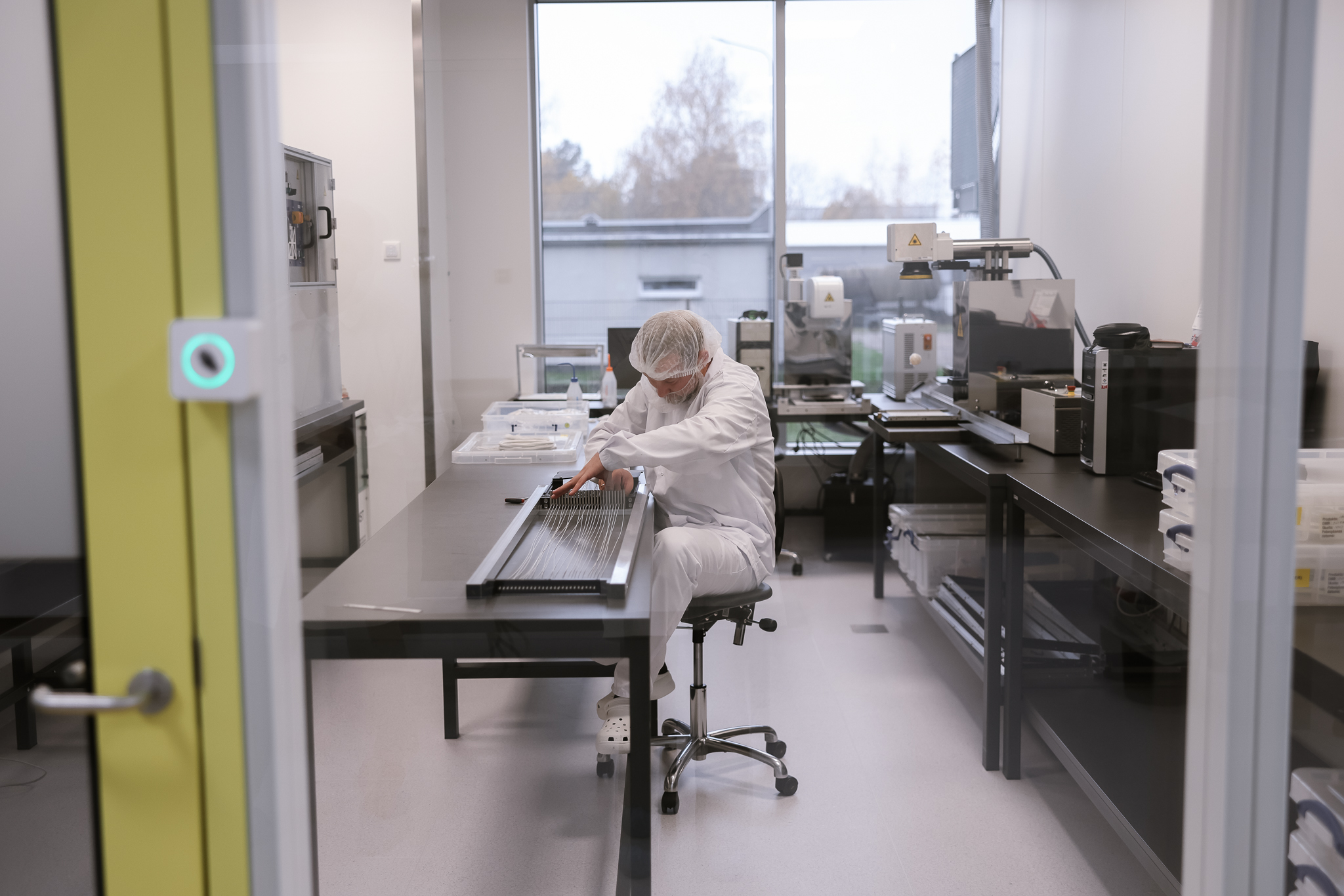
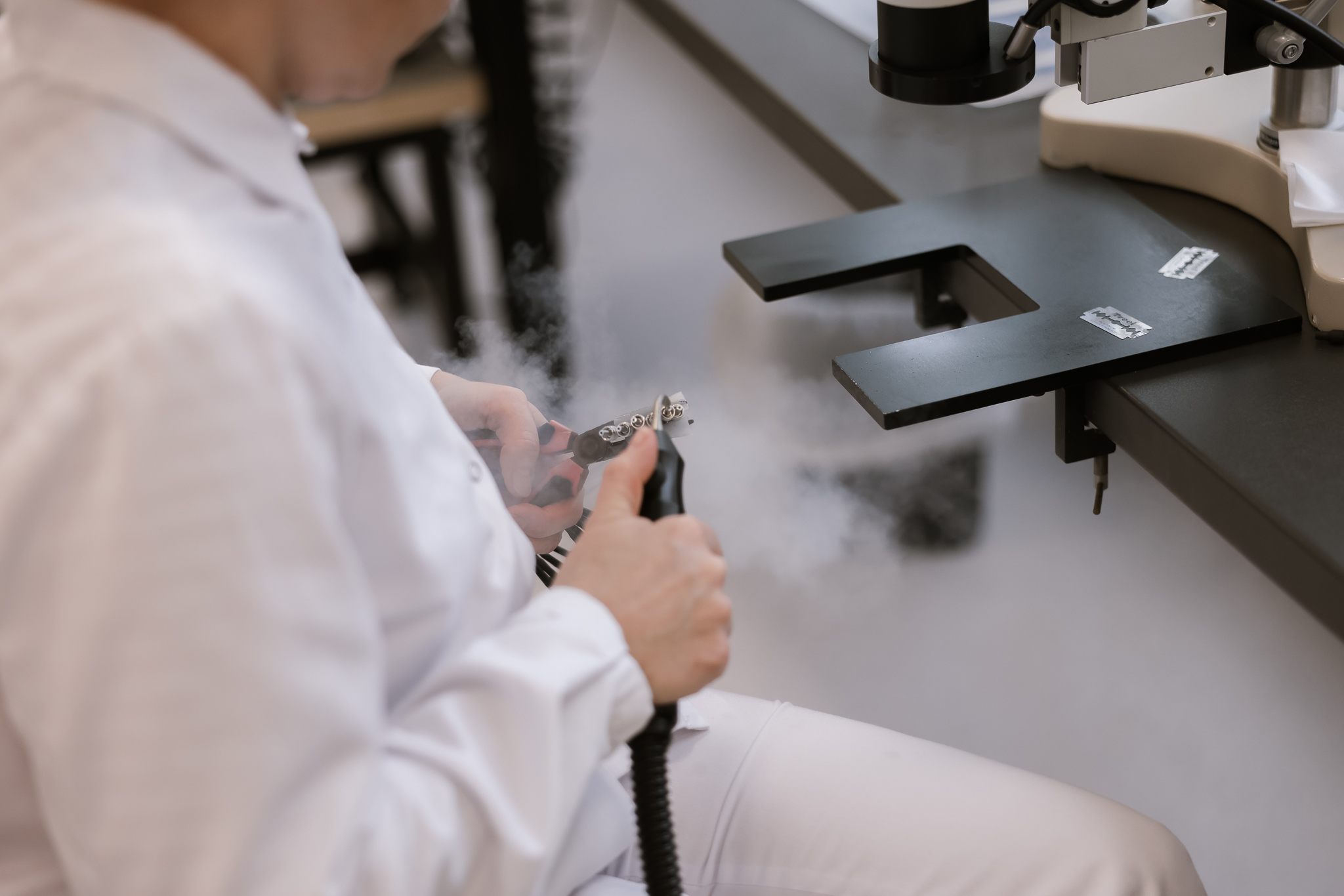

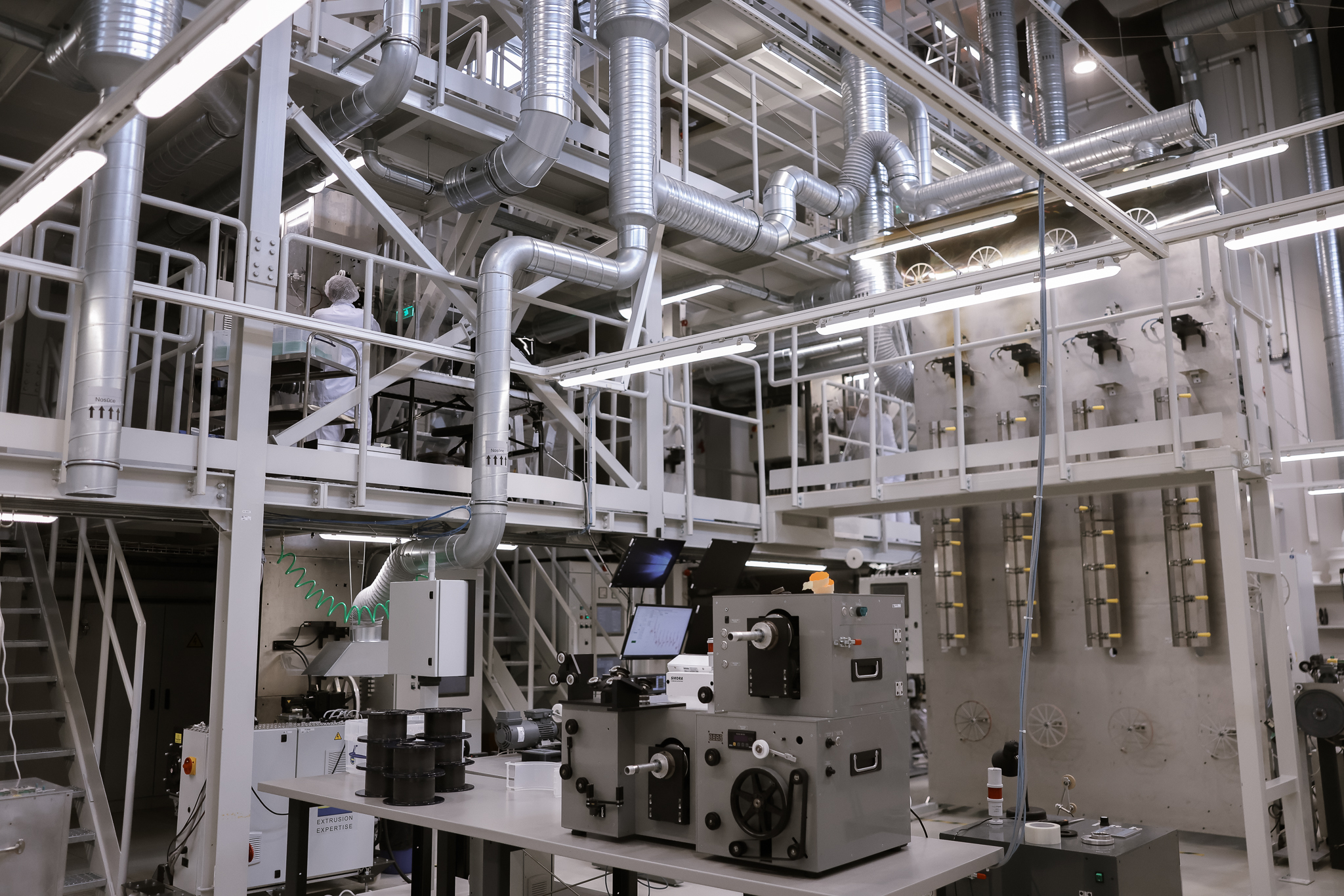
Photo: Linda Siliņa/Delfi
Tax incentives are not available for sectors where state aid is prohibited, such as primary agriculture. Food processing companies are also currently excluded, although they are among the region’s largest employers.
Solutions are being sought together with national ministries to enable broader sector participation in the future. Discussions are also ongoing regarding the development of the defence industry in Latgale, including potential production of drones.
Asked whether Latgale could manage without a special economic zone, Maļina-Tabūne is clear: without the SEZ, many of the region’s largest companies simply would not exist.
Pulsar Optics: Manufacturing Traditions Attract Investment
A rapidly growing Latgale SEZ company is Pulsar Optics, a subsidiary of Yukon Advanced Optics Worldwide, producing thermal imaging and night-vision devices in Daugavpils.
After initial discussions in September 2020, the company was registered by December and began production within six months. Today, it employs approximately 350 people.
“Support programmes, including tax incentives, are important, but daily cooperation is equally crucial,” emphasizes board member Pāvels Grigorjevs.
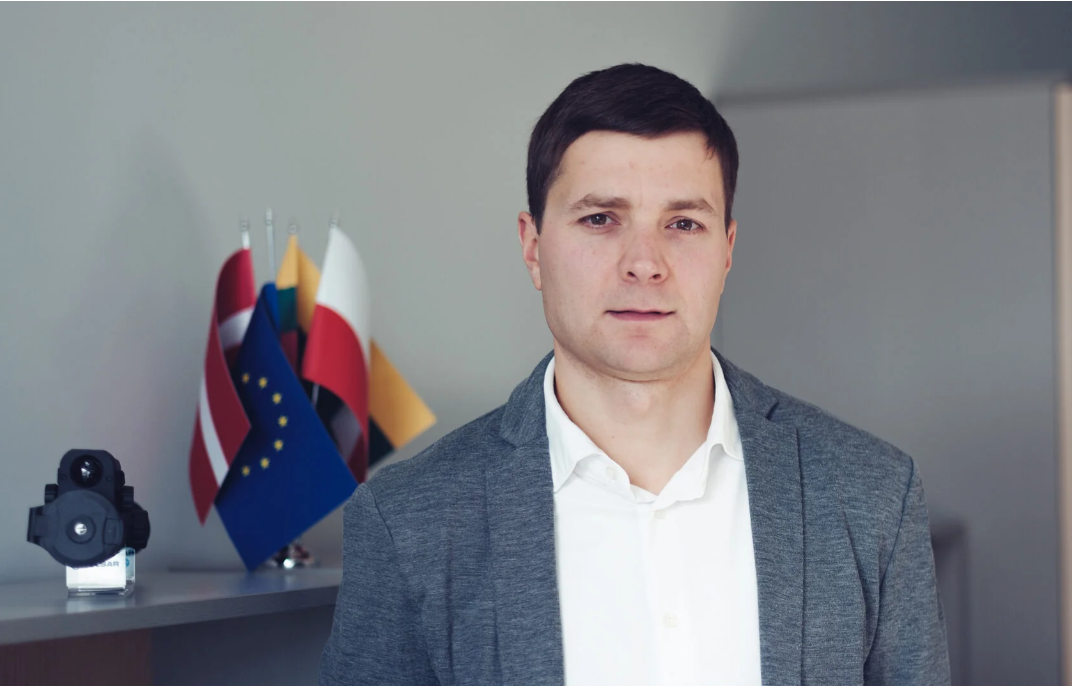
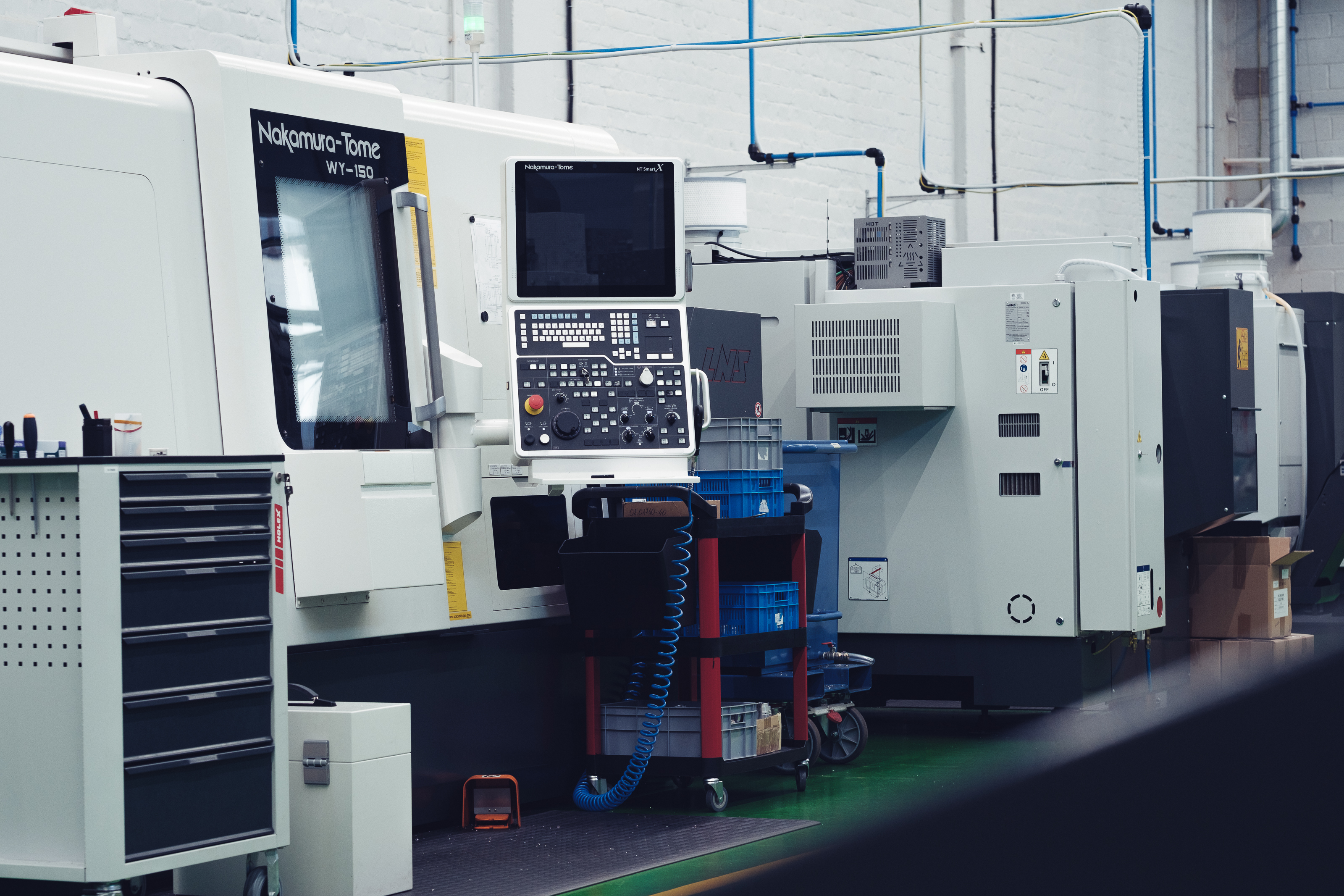
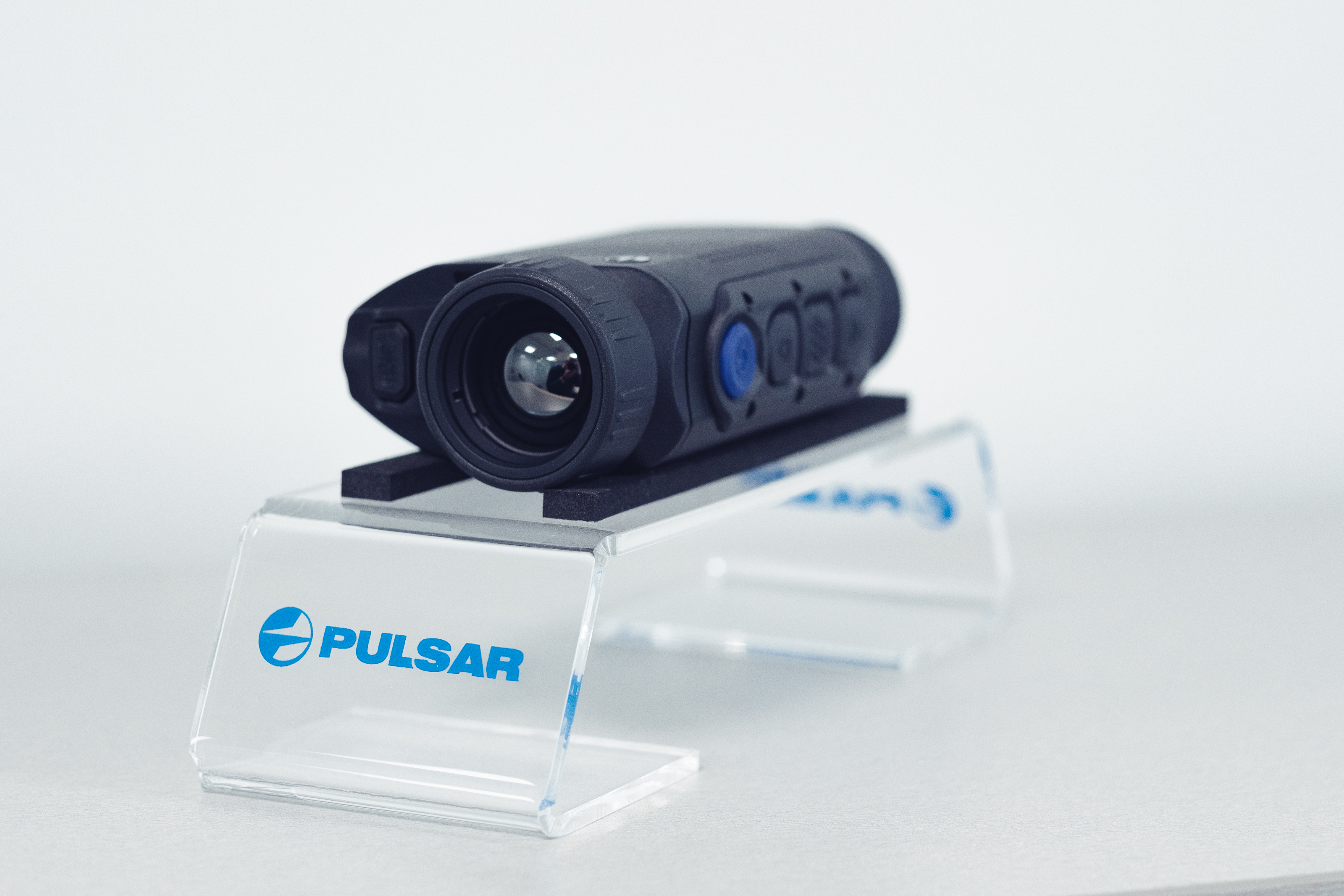
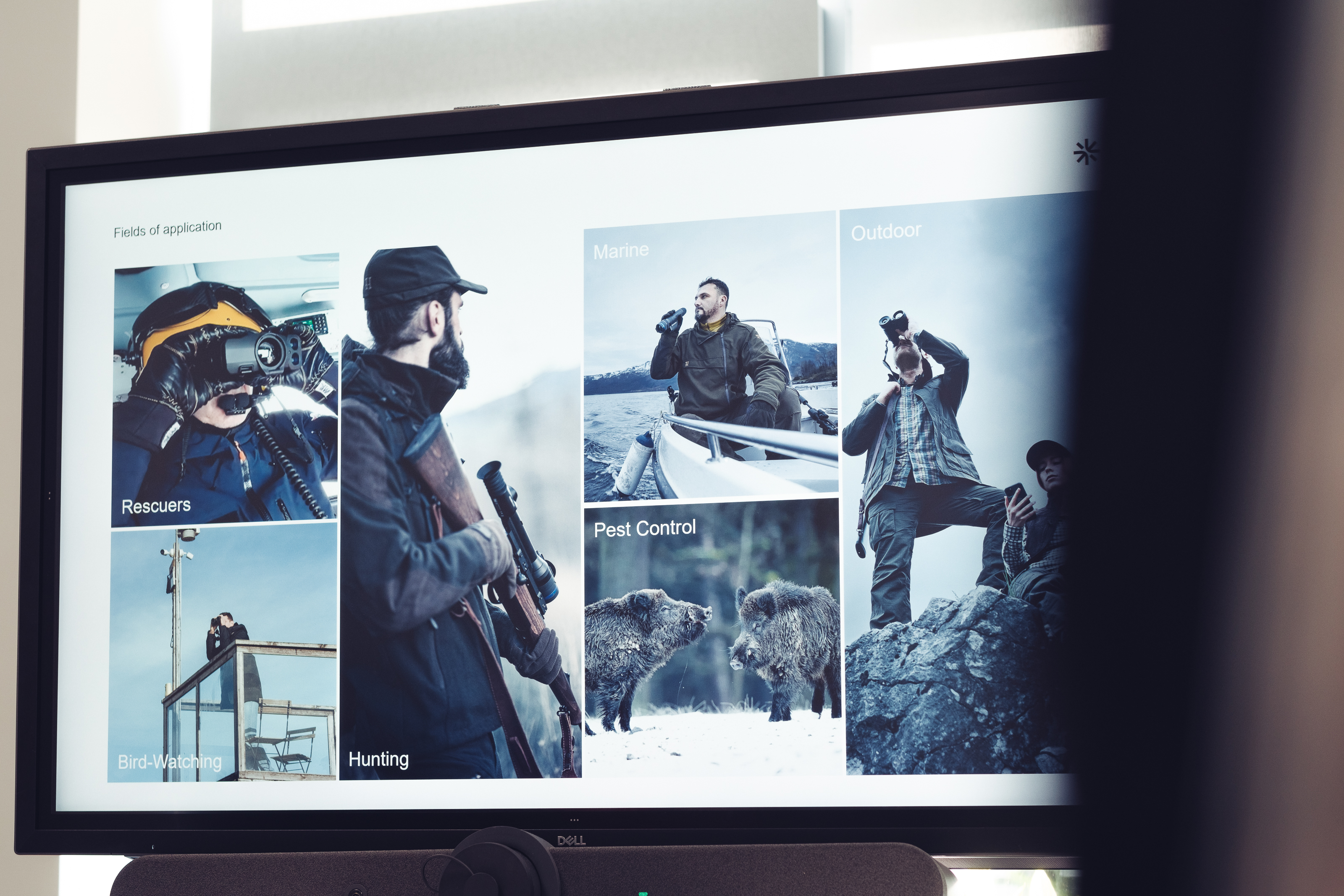
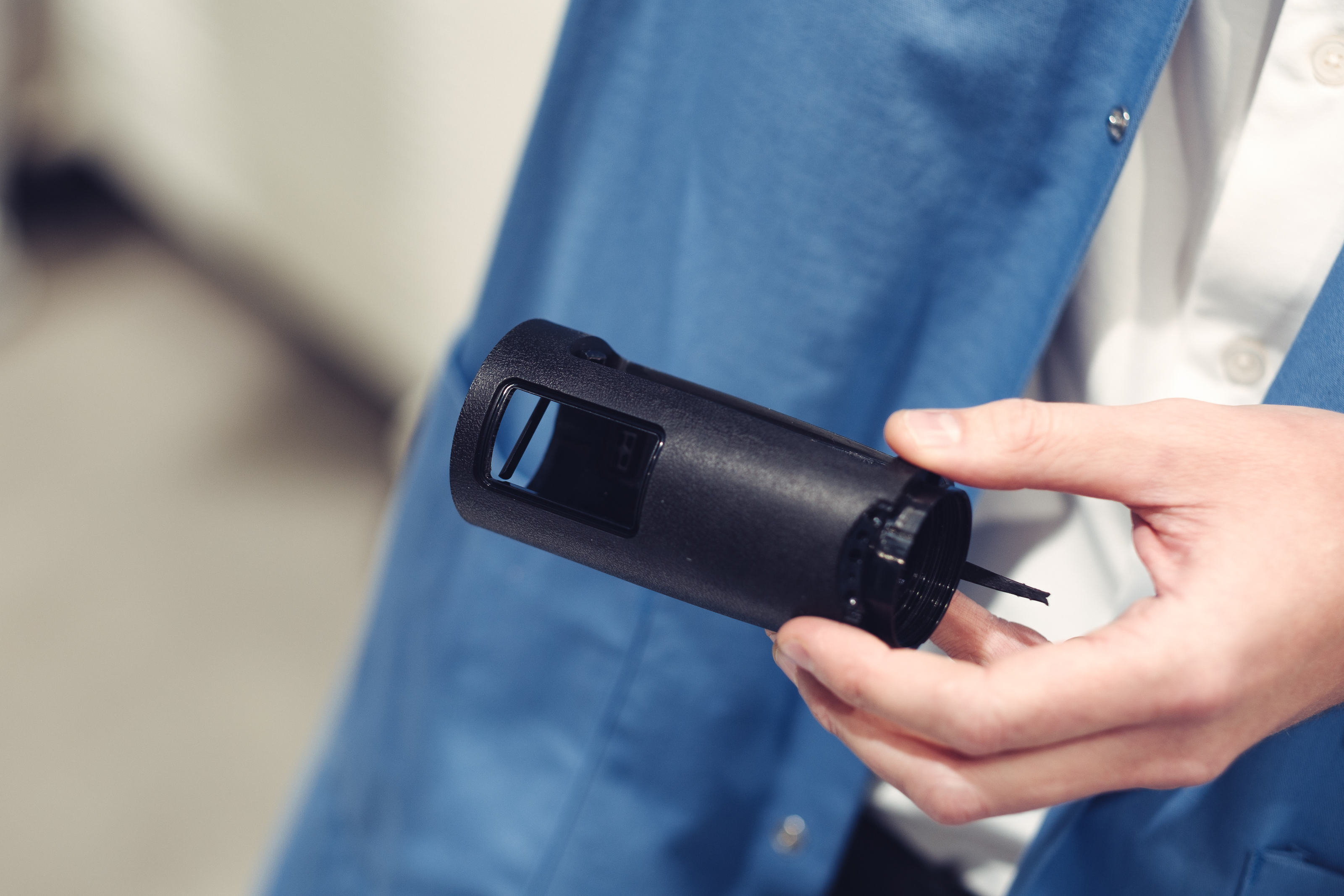

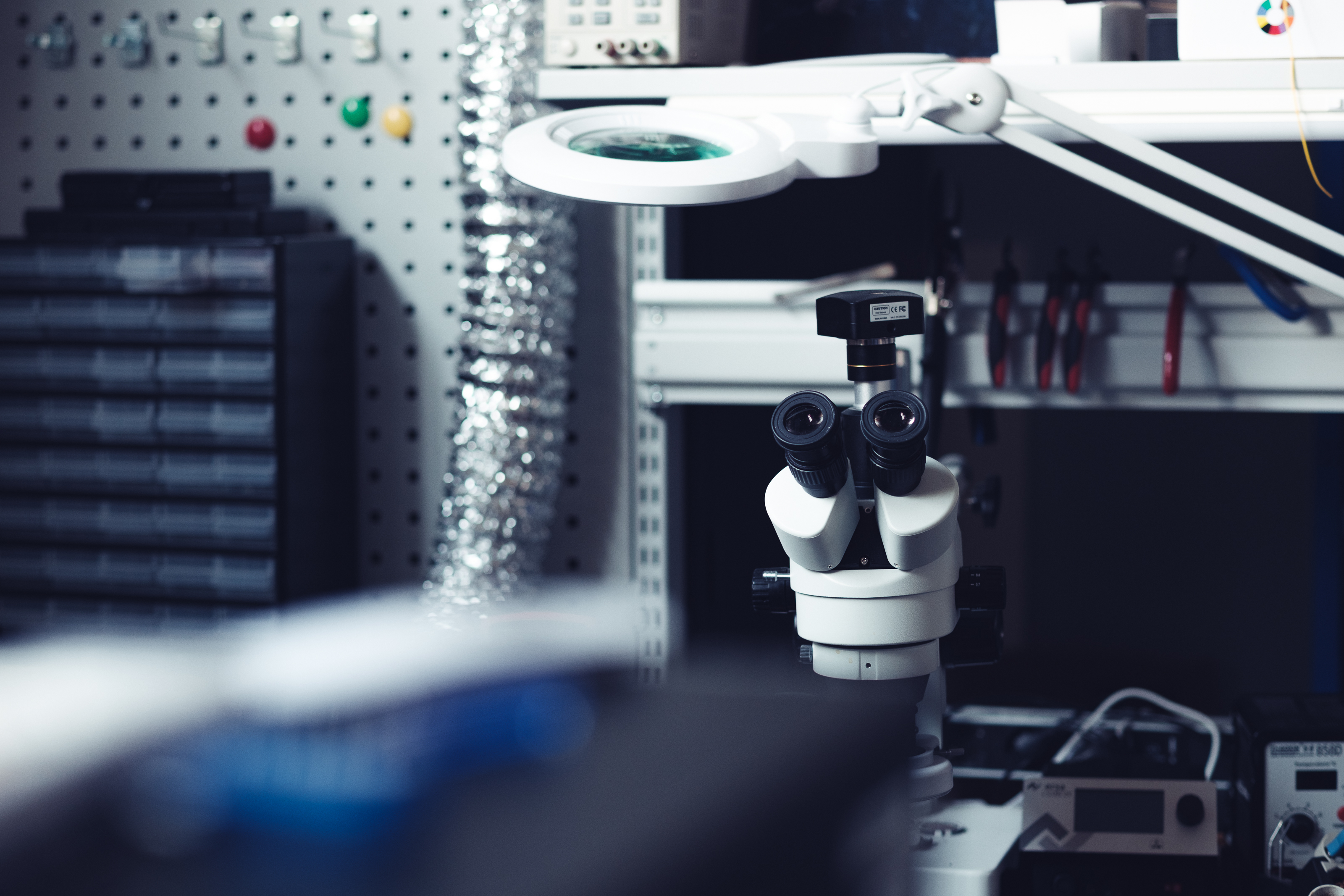
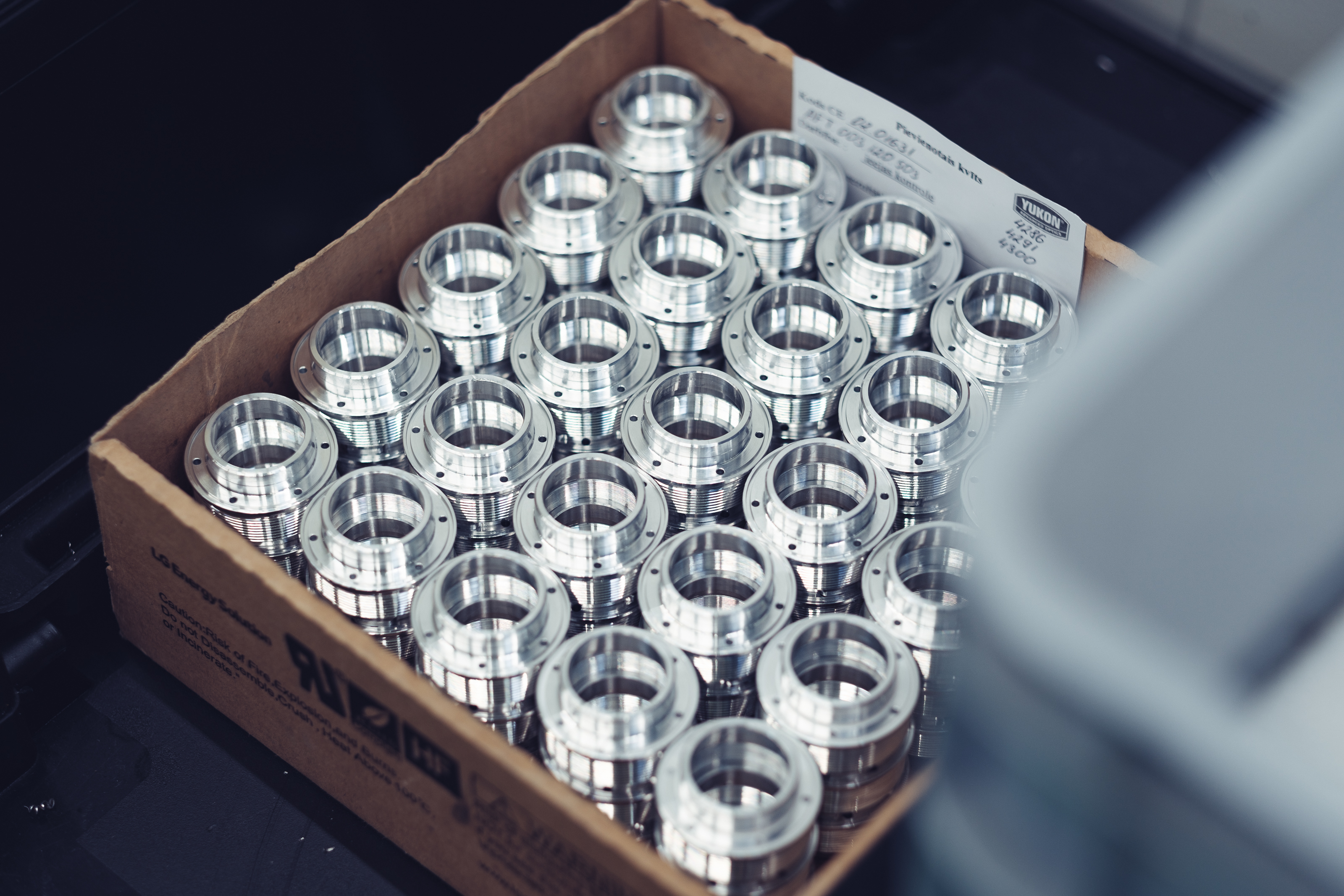
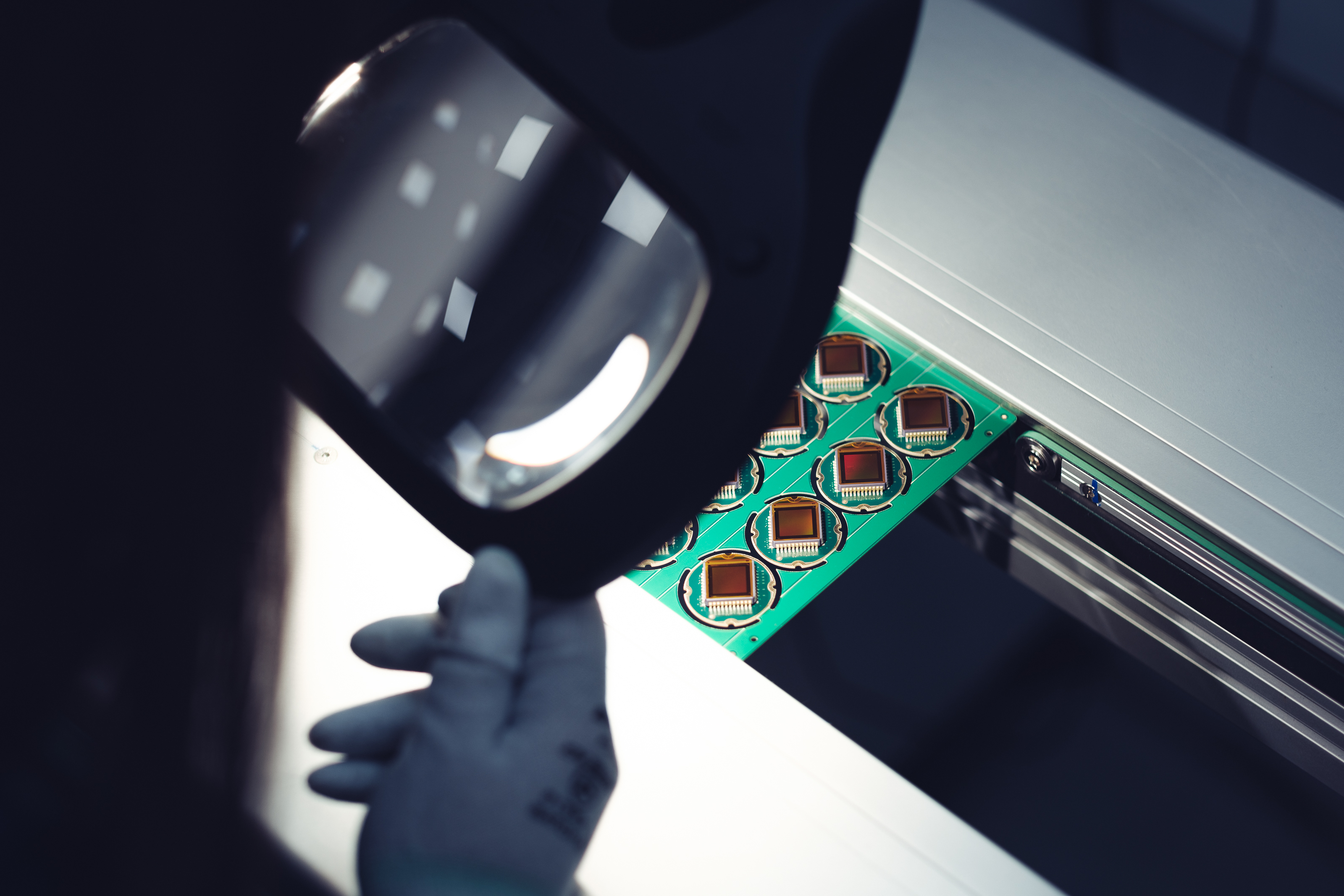
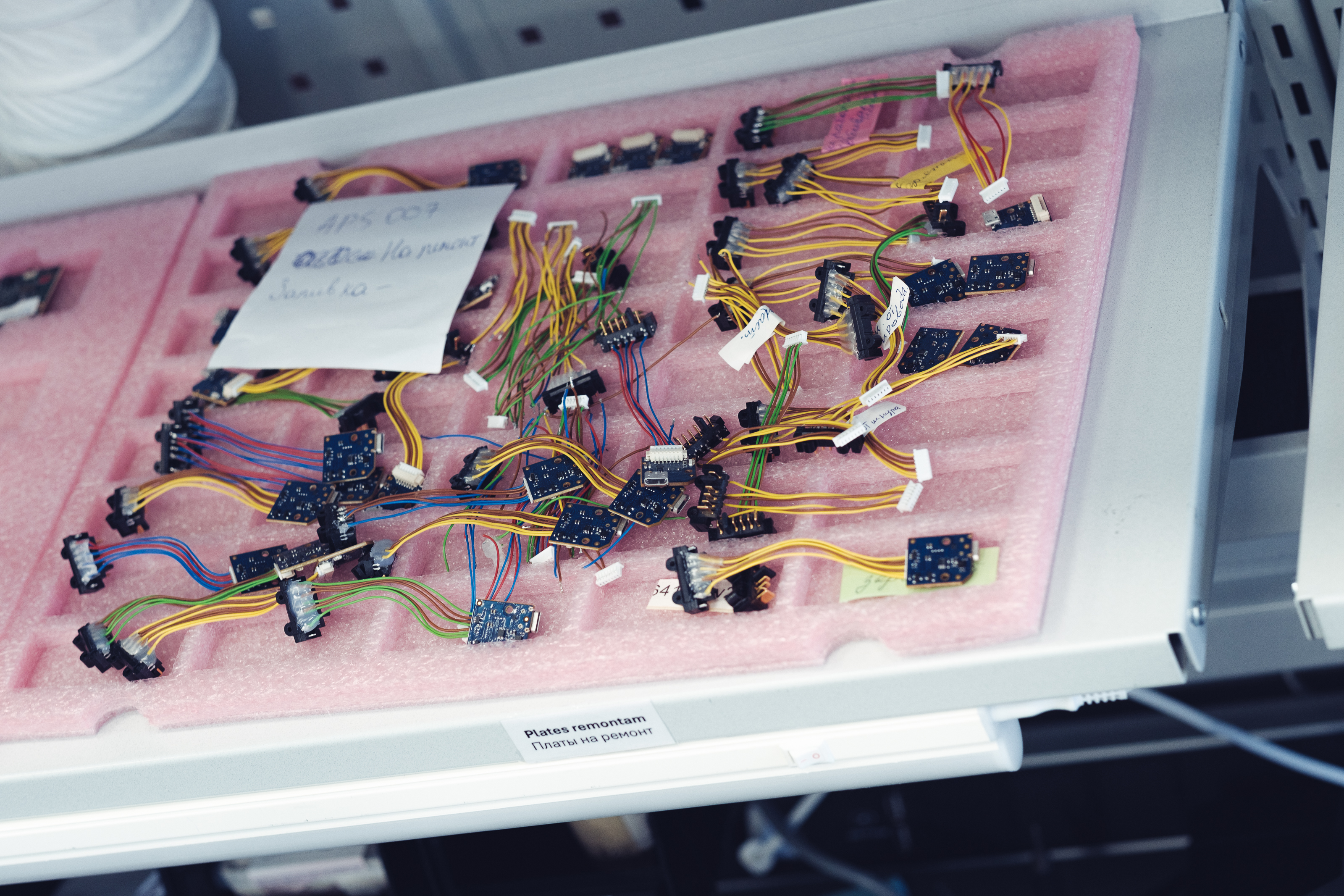
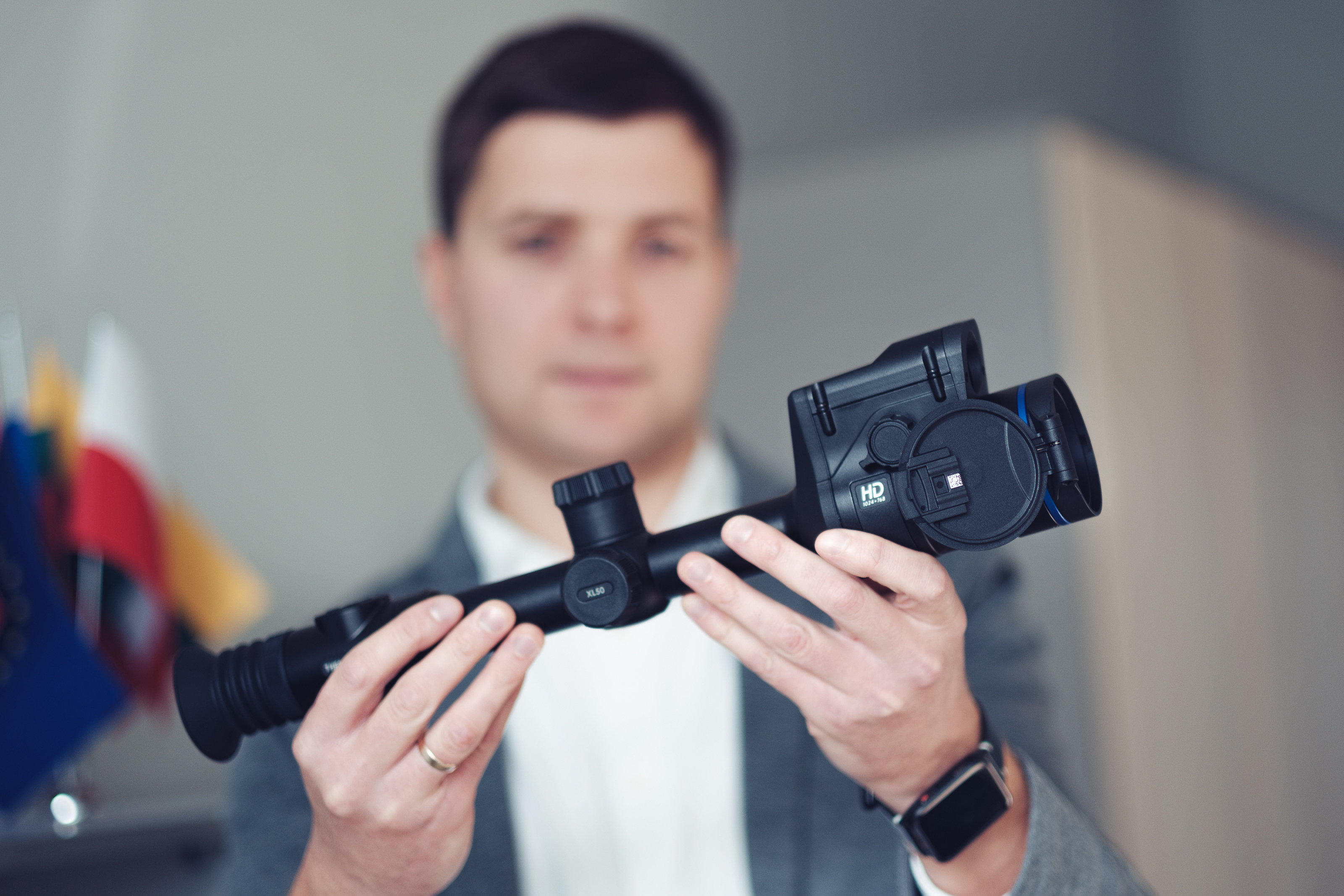
Photo: Kārlis Dambrāns/Delfi
Industrial parks are nearing completion in Daugavpils, with additional zones planned. However, a shortage of modern housing and Class A office space remains a challenge for attracting talent.
“If we have world-class companies and do nothing, they will simply relocate elsewhere,” warns Maļina-Tabūne, stressing the need for long-term policy instruments and workforce development.
Small Businesses Feel the SEZ’s Attention and Care
One of the newest SEZ companies is sauna manufacturer Kuprava Industry (SaunaLAB), registered in 2022 and granted SEZ status this year. Its saunas are exported to over 20 European countries.
While tax benefits are not yet the primary advantage, the company highlights visibility and recognition as the greatest gain. “Since joining the SEZ, everyone who needs to know about us does,” says company CEO Gints Dzērve.
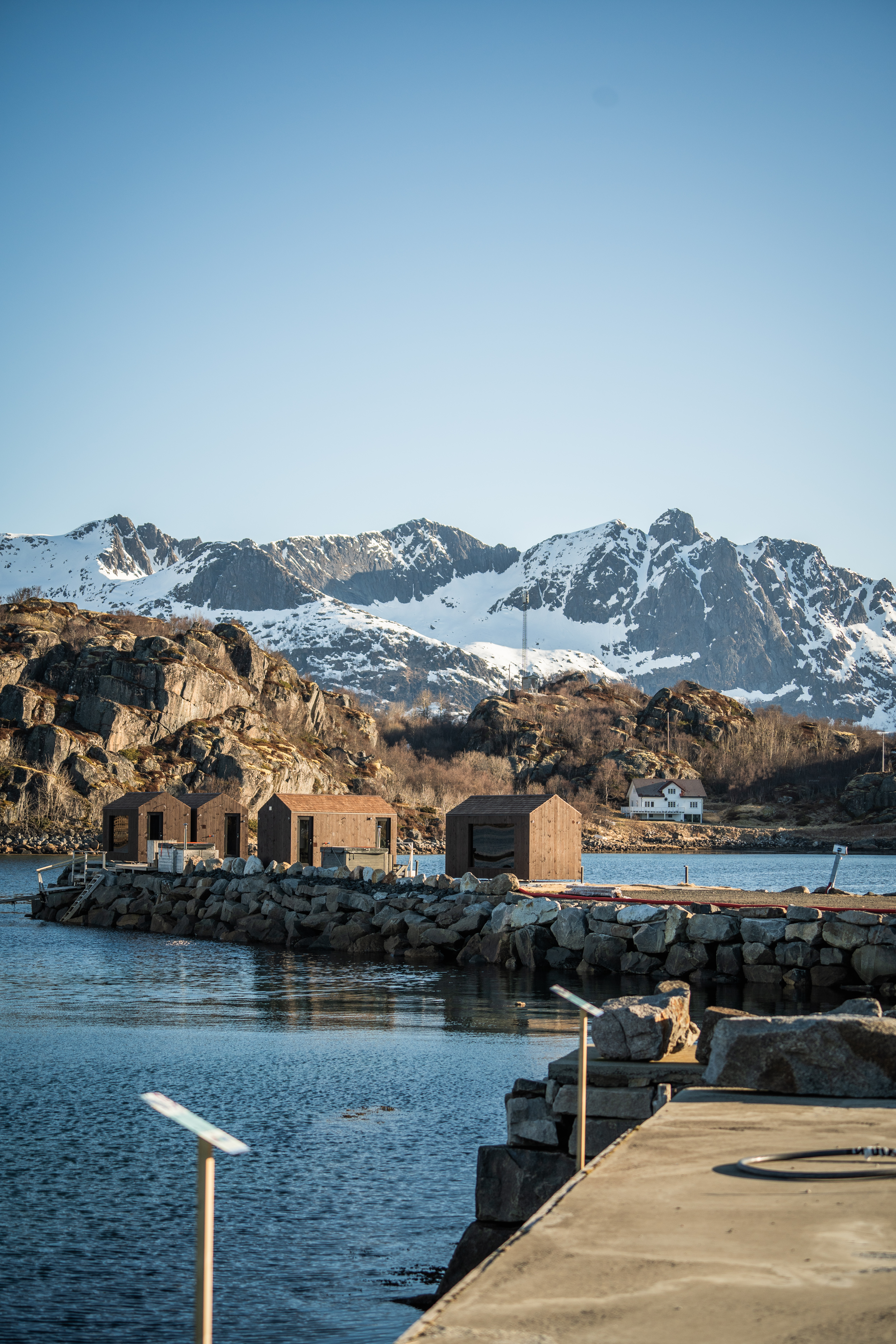
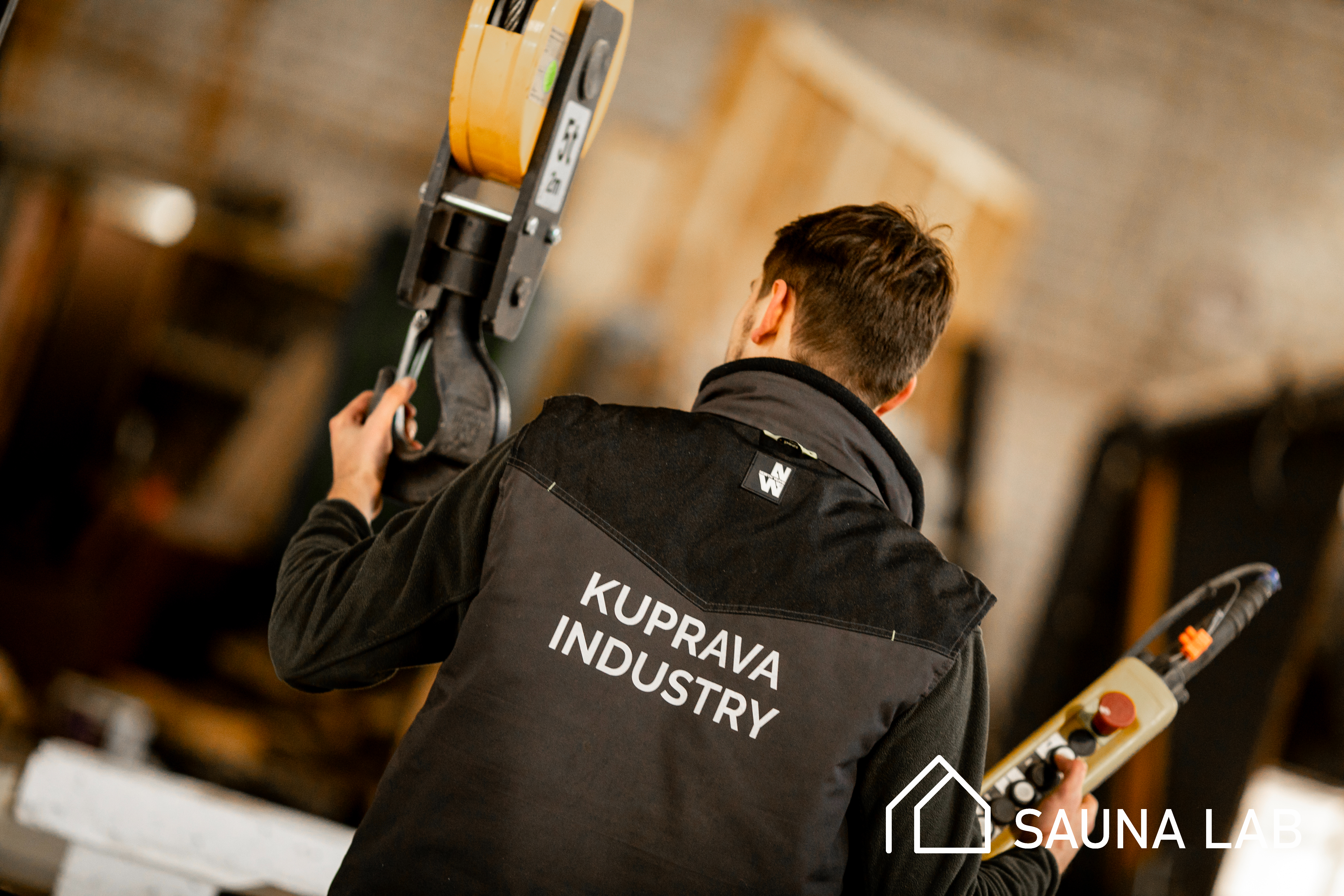
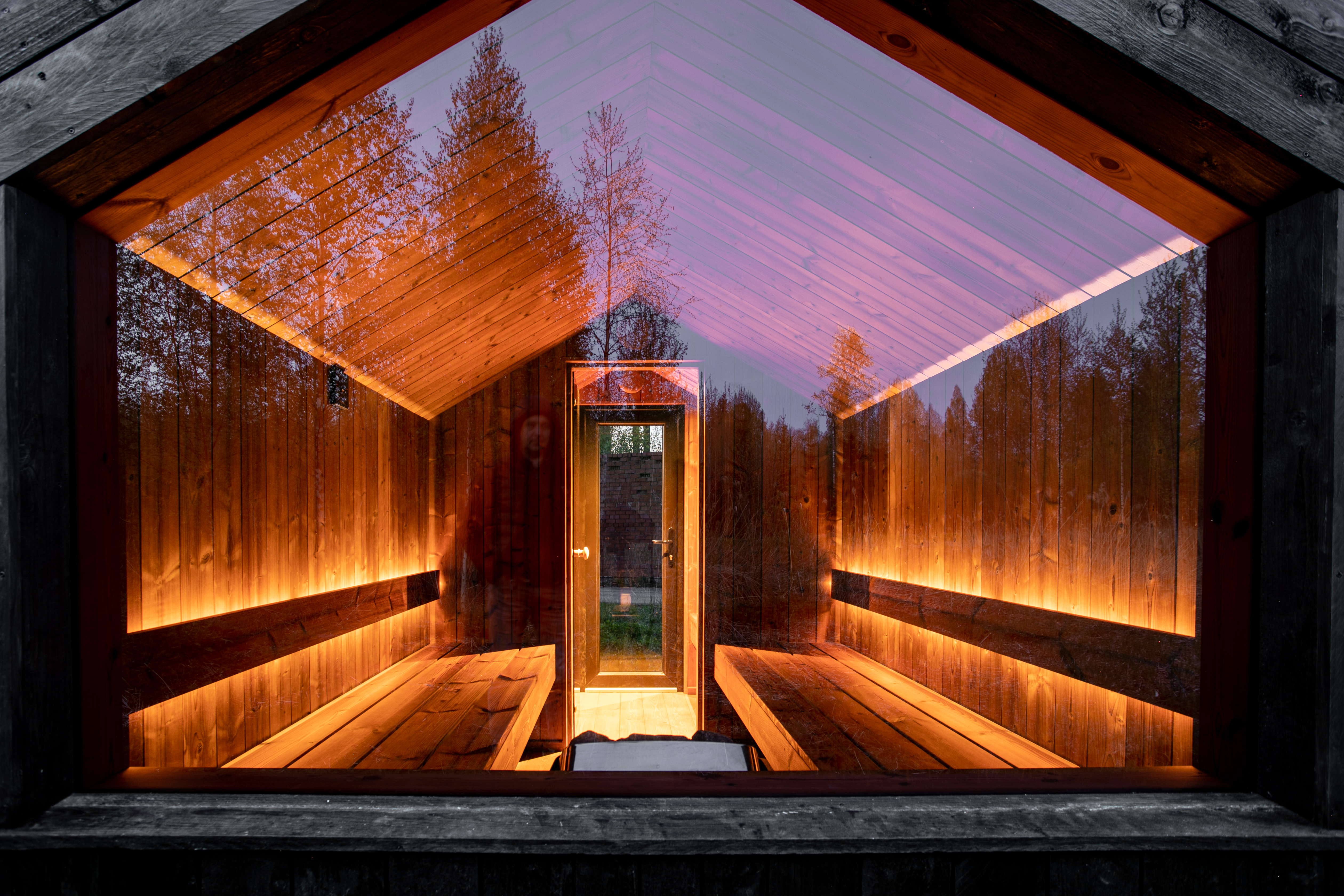

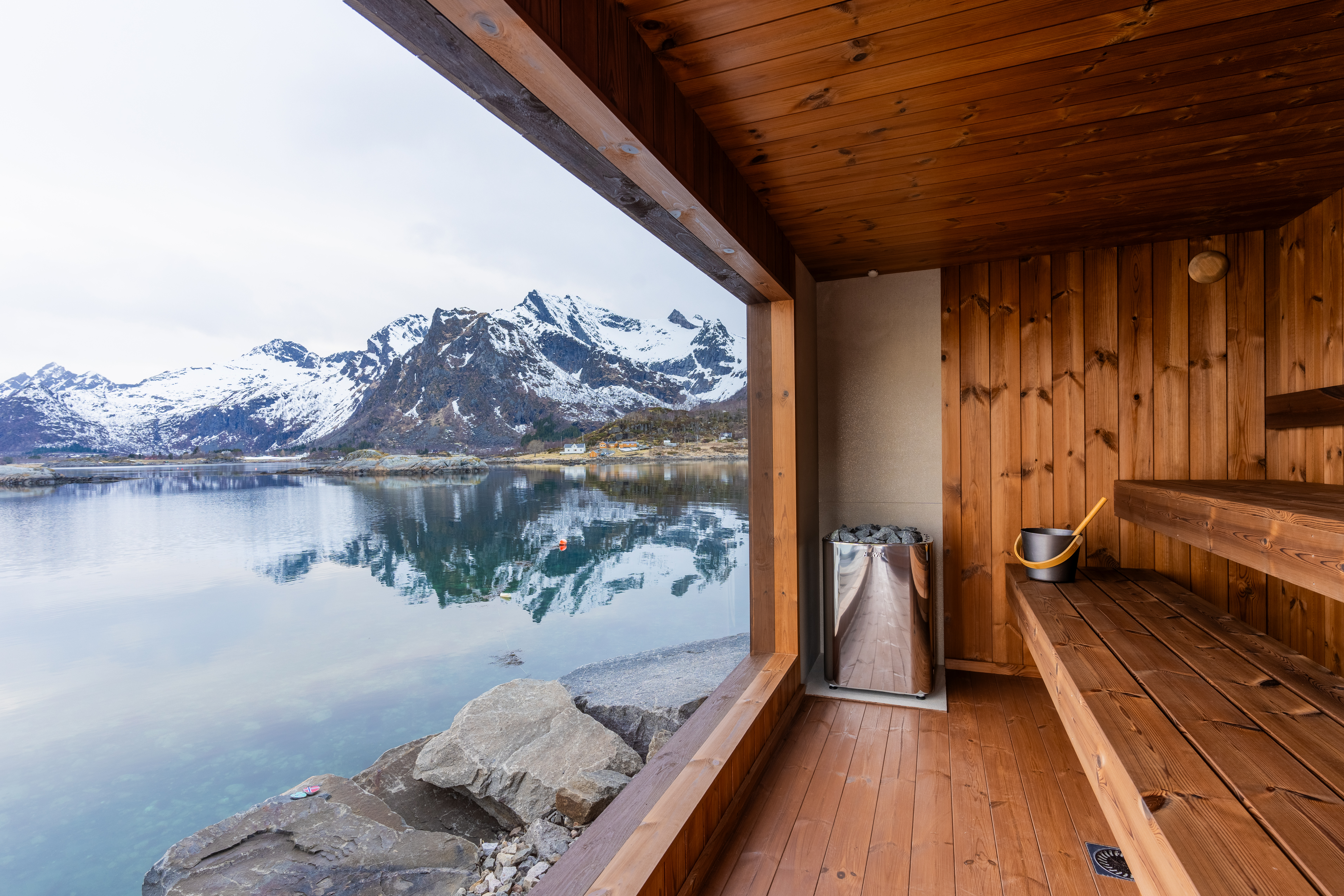


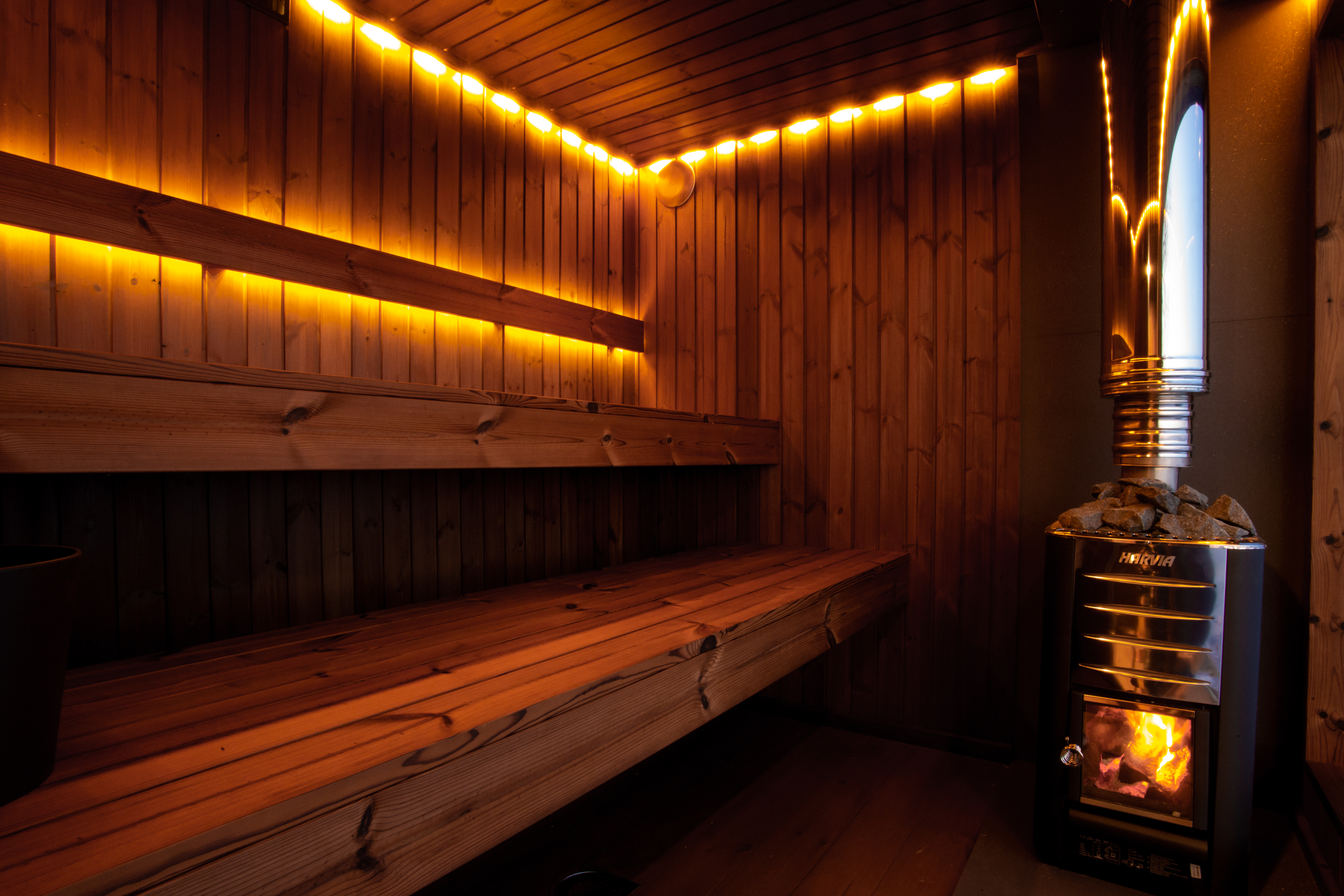
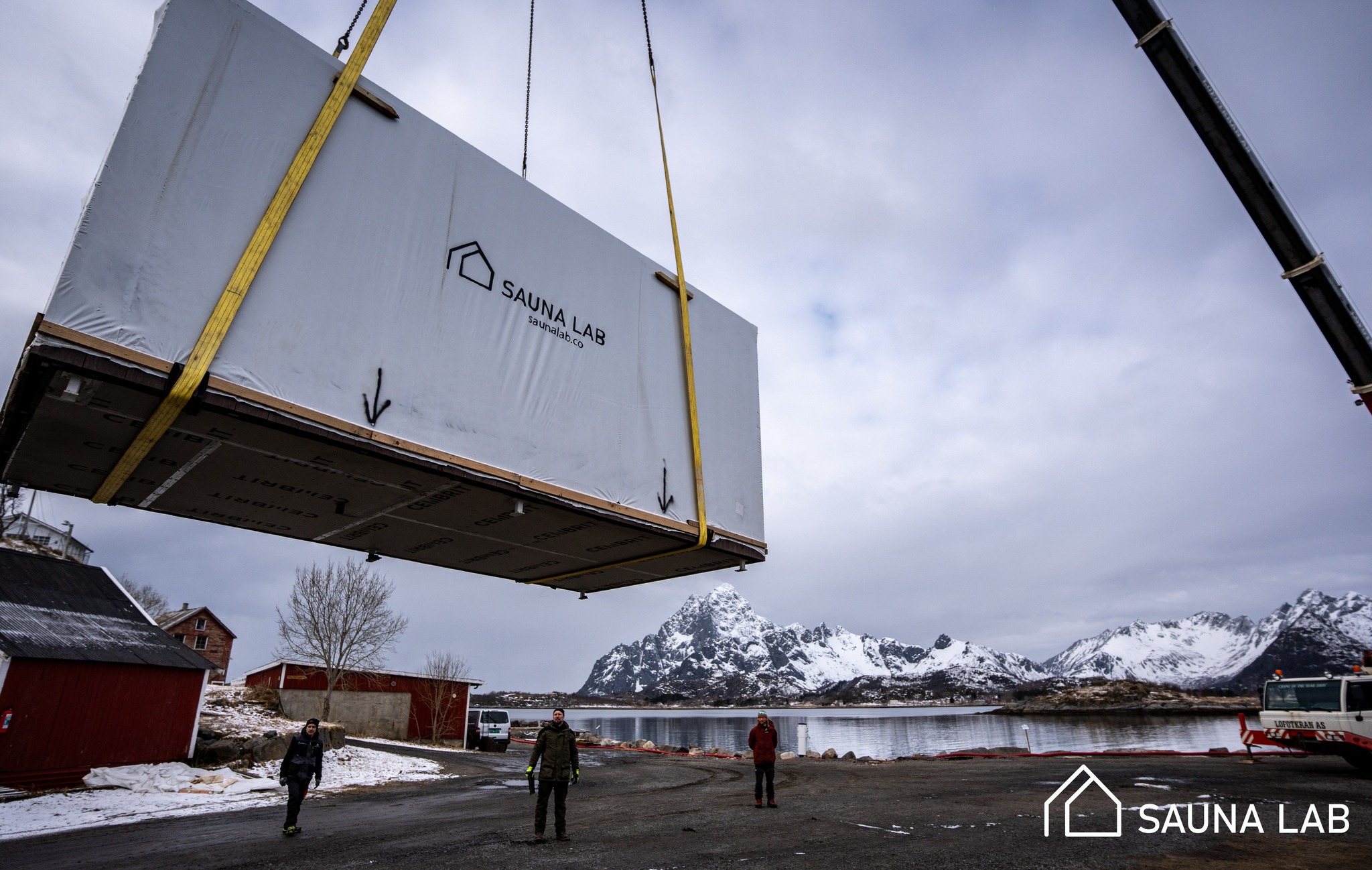

Publicity photo
Source: Delfi Bizness